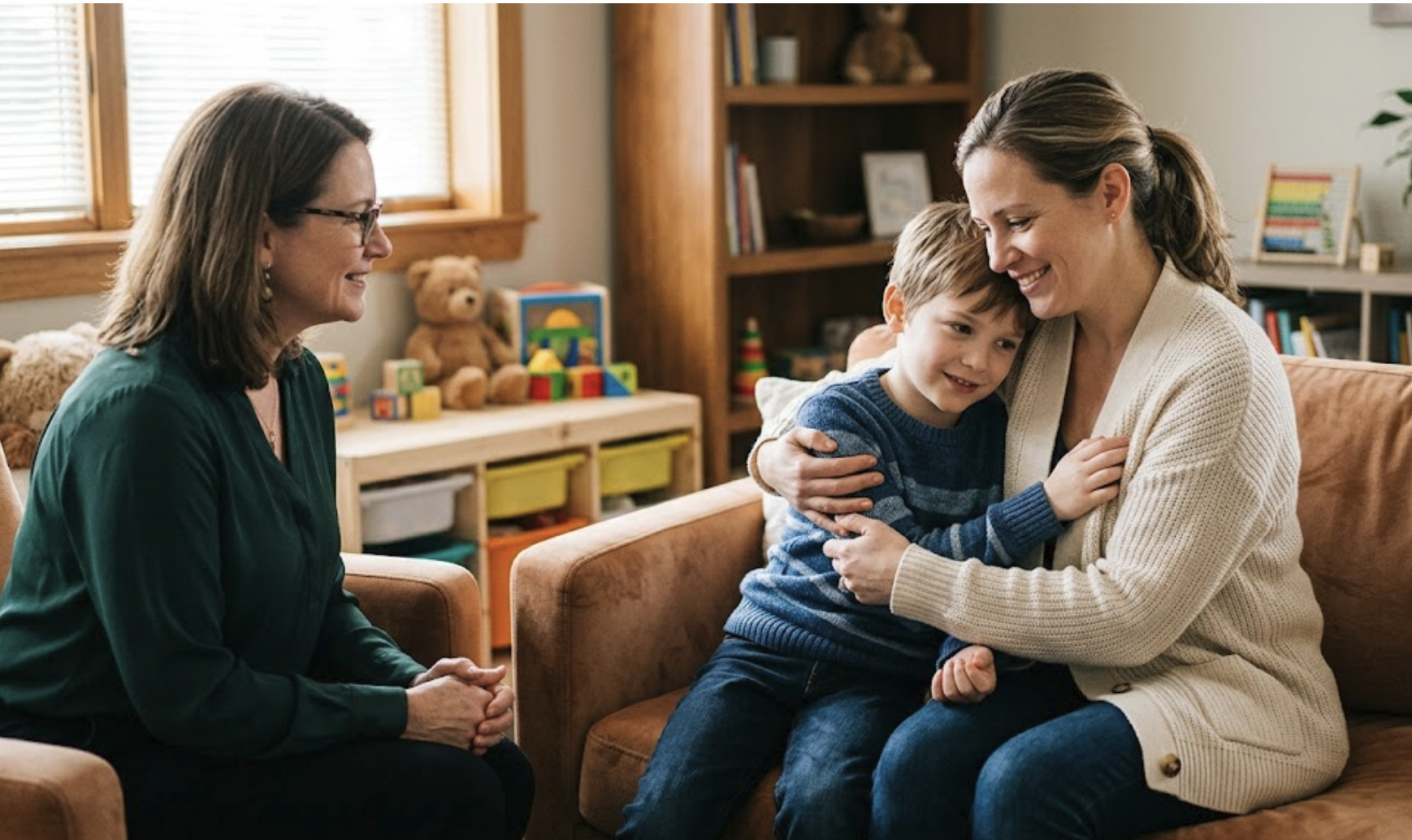
Building a secure connection with your child is one of the most rewarding parts of parenting. However, when those early connections are disrupted, finding the right reactive attachment disorder therapy becomes vital for your family's healing.
Sometimes, infants and young children struggle to form healthy emotional bonds with their caregivers. This can lead to attachment-related behavioral challenges that affect everyone in the home.
If you’re experiencing this struggle, you’re not alone and you’re NOT a bad parent. Our team is here to support you through relationships and family therapy, helping you build trust and understanding with your child.
Reactive attachment disorder is a rare but serious condition. It happens when an infant or young child doesn’t establish healthy, secure attachments with their parents or caregivers.
Children need a stable, caring environment to feel safe. Their basic physical and emotional needs must be met consistently. When a baby cries, they expect comfort. If those needs are repeatedly ignored, the child stops expecting care. This lack of emotional response can prevent them from forming a stable attachment.
RAD often develops in situations involving severe social and emotional neglect or abuse. It can also happen if a child experiences frequent changes in foster homes or caregivers. A prolonged separation from parents due to hospitalization or other reasons might also play a role.
Understanding the signs can help you take the next steps for your family. Symptoms of RAD usually start in infancy or early childhood. They typically appear before a child turns five years old.
Here are a few common signs to look out for:
These behaviors show a consistent pattern of emotional withdrawal. The child simply doesn’t know how to reach out for the love and support they need.
Early emotional bonds form the foundation of a child's development. A secure attachment teaches a child how to trust others and feel safe in their skin.
It helps them learn how to manage their emotions, soothe themselves when upset, and feel confident in their environment. A healthy bond forms a mental blueprint for all future relationships.
When those early bonds are missing, a child's brain develops differently. They might struggle to manage stress or understand social boundaries. This can lead to behavioral problems at home, in school, and with friends.
Without a sense of security, a child operates in survival mode. They might try to control their environment to feel safe, which often looks like breaking rules or acting out.
Healing these early wounds requires time, patience, and professional guidance.
While RAD is a specific diagnosis, it exists on a spectrum of attachment-related challenges. The Diagnostic and Statistical Manual of Mental Disorders (DSM-5) highlights two main conditions that stem from early childhood neglect.
The first is Inhibited Reactive Attachment Disorder. Children with this condition withdraw from social situations. They actively avoid their caretakers and resist signs of comfort, like hugging.
The second condition is Disinhibited Social Engagement Disorder (DSED). Instead of withdrawing, children with DSED seek attention from anyone, including complete strangers. They often show behavior that’s not appropriate for their age and struggle to understand social boundaries.
Both conditions require specialized care to help the child learn healthy ways to connect.
It can be difficult to tell if your child's behavior is just a phase or something more serious. Many young children display temporary signs of withdrawal or fearfulness. These moments are usually brief and don’t cause long-term developmental problems.
You should consider getting an evaluation if your child shows concerning signs that persist over time. Pay attention to how they interact with you during daily routines.
If these patterns continue, a pediatric psychiatrist or psychologist can help. We’ll observe the interactions between you and your child to determine if these behaviors indicate a more serious problem.
Parenting a child with attachment challenges is incredibly demanding. It’s completely normal to feel frustrated, angry, or guilty at times. However, taking care of yourself is a necessary part of helping your child.
Here are a few steps you can take to support your family.
There is no one-size-fits-all treatment for attachment challenges. However, reactive attachment disorder therapy offers a structured path toward healing. Treatment always involves both the child and their parents or primary caregivers.
The main goal of this therapy is to help your child develop positive interactions and strengthen their attachment with you. We work with families to create a safe, stable, and stimulating environment.
Therapy sessions might include practicing stress management skills for parents, teaching healthy communication, and guiding caregivers on how to be consistently nurturing.
Our clinical staff uses specialized approaches tailored to your family's needs. Depending on your child's age and background, therapy might involve cognitive-behavioral techniques or specialized trauma treatments.
We focus on teaching parents how to foster a secure connection while helping your child process their early experiences in a safe space. Cook Behavioral Health doesn’t prescribe medication, but we provide comprehensive psychological testing and behavioral therapies to support true, lasting change.
We know that children are naturally resilient. With the right therapeutic support, they can learn to form healthy, loving relationships. We’re here to listen to your situation and help you find the answers.
Contact us today to learn more.
Can adults be diagnosed with reactive attachment disorder?
RAD is primarily diagnosed in infancy and early childhood, typically before the age of five.
While the formal diagnosis is reserved for children, adults who experienced severe early neglect or abuse can still face significant relationship and emotional challenges later in life. They might seek therapy for trust issues or emotional regulation difficulties.
What’s the difference between autism spectrum disorder and RAD?
Both conditions can involve social withdrawal and a lack of emotional responsiveness. However, autism is a neurodevelopmental condition present from birth, characterized by restricted repetitive behaviors and sensory sensitivities.
Attachment challenges specifically stem from a history of extreme neglect or trauma in the child's early caregiving environment.
Will early childhood trauma resolve without professional intervention?
Children who have experienced severe early neglect rarely outgrow these deep emotional wounds on their own. Without proper professional guidance and a nurturing environment, these early traumas can lead to long-term emotional and behavioral complications.
How long does attachment-focused treatment usually take?
The timeline for healing varies greatly depending on the child's age, the severity of the early neglect, and the consistency of their current home environment.
Building genuine trust takes time. Some families see improvements in a few months, while others engage in supportive care for several years.
Are there specific parenting styles that work best for children with early trauma?
Traditional disciplinary methods often fail with children who have trauma histories. Therapeutic parenting is highly recommended. This approach focuses on high structure, extreme consistency, and deep empathy, prioritizing the feeling of safety and connection over simply correcting bad behavior.
Every child deserves to feel safe, loved, and connected. Parenting a child who struggles to accept that love is hard work, but you don’t have to do it alone. Our team is ready to guide you through this process with expert reactive attachment disorder therapy and caring support.
Together, we will find the answers.
Reach out to us today to schedule your appointment.
Disclaimer: We hope you find the information in this blog helpful, but please remember that it's not meant to replace personalized advice from a mental health professional. If you have concerns about your mental health, please reach out to our team at Cook Behavioral Health. We’re here to support you.

