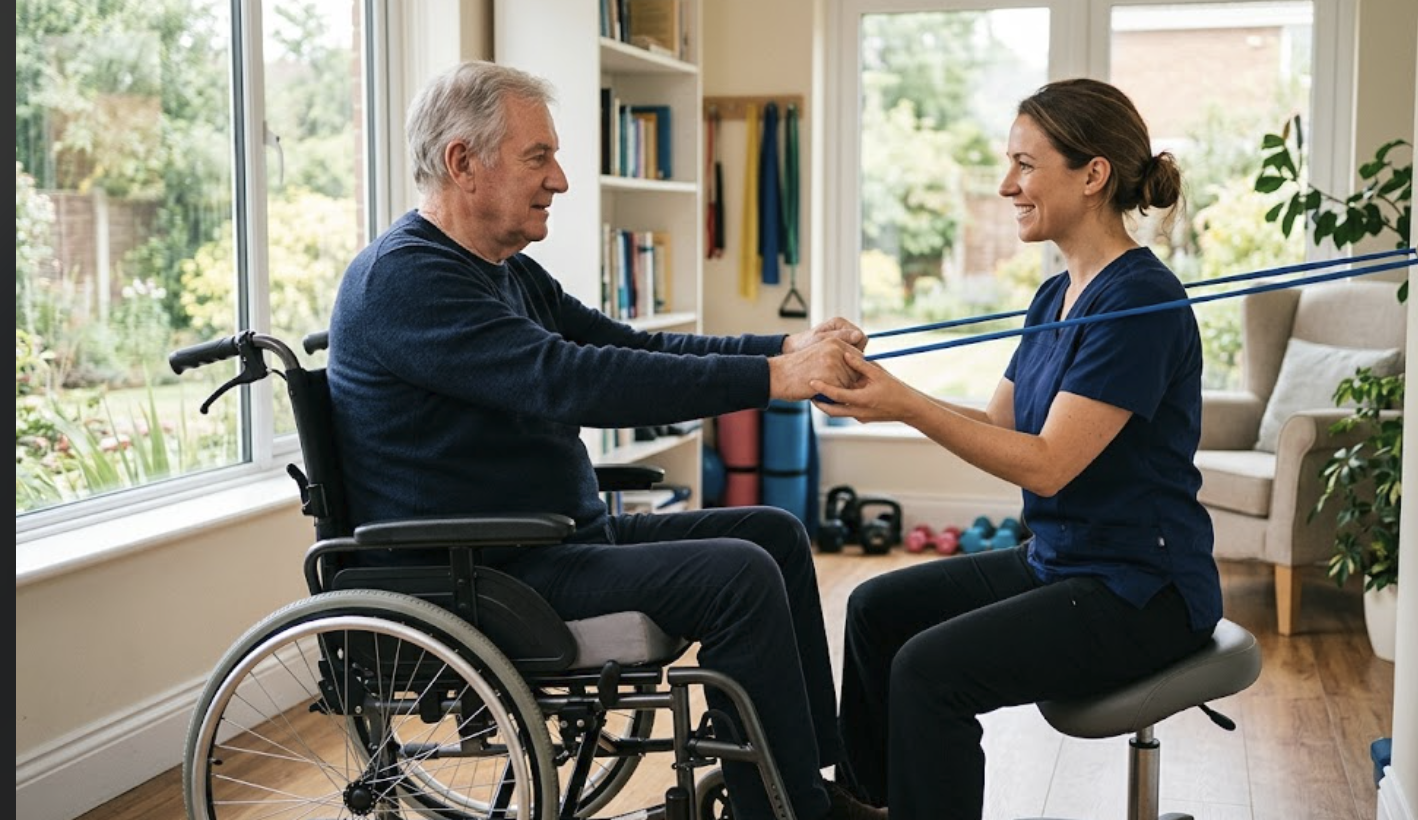
Living with a physical disability changes your daily life in deep and profound ways. It takes a massive amount of mental energy to adapt to a society filled with physical barriers. Finding the right therapy for physically impaired patients can make a huge difference to your life and emotional healing.
Through our specialized services, we provide compassionate support tailored to your unique situation. Cook Behavior Health is here to listen, understand your frustrations, and help you regain a sense of balance and control.
Adapting to a physical impairment takes a heavy toll on your mental health. Many people experience profound grief for the mobility or independence they once had.
It's completely understandable to feel angry, frustrated, or deeply sad during this transition. You might also experience severe anxiety about the future, wondering how you'll manage daily tasks. This grief is a natural, expected response to a major life change.
When your physical abilities shift, your sense of personal identity shifts as well. You might find yourself questioning who you are if you can no longer do the work or physical hobbies you used to love. These questions are difficult to answer on your own.
Unaddressed, these feelings can lead to isolation. It becomes harder to participate in social events, family gatherings, or outdoor activities when locations aren’t accessible. You might even feel like a burden to your loved ones when you need to ask for extra help. These feelings of guilt and sadness are incredibly heavy to carry.
But there is hope, and you can resolve them.
Many physical disabilities involve chronic, ongoing pain. Constant physical pain drains your mental energy rapidly. When your body hurts all the time, your mood naturally drops. It becomes incredibly difficult to stay positive, feel motivated, or engage in conversations with friends.
Mental stress also makes physical pain feel significantly worse. When you feel anxious or upset, your muscles naturally tense up as a defense mechanism. This severe muscle tension puts extra pressure on your joints and nerves, increasing your discomfort.
This creates a frustrating cycle. The pain causes mental stress, and the stress directly increases the physical pain. Breaking this continuous loop requires more than just physical medicine or surgery. It requires specific mental and emotional tools to calm your nervous system and relax your body.
Many individuals with physical impairments spend a significant amount of time in hospitals or doctors' offices. Frequent medical procedures, multiple surgeries, and long hospital stays can cause severe medical trauma.
You might feel anxious before a simple, routine check-up or experience intrusive thoughts or nightmares about past medical emergencies.
This type of trauma is very real and requires careful, professional attention. Our clinical staff is trained and experienced in treating complex trauma. We use proven techniques to help you process these frightening memories safely.
Therapy helps you separate past medical emergencies from your current reality. This greatly reduces your overall anxiety when you need to seek necessary medical care. By addressing the underlying trauma, you can interact with your doctors and nurses with greater confidence and much less fear.
Therapy offers a safe, private space to process complex emotions. The primary goal of therapy for physically impaired patients is to improve the quality of their daily lives.
A specialized counselor understands the specific frustrations that come with poor accessibility and constant physical barriers.
Talking with a trained therapist helps you separate your self-worth from your physical abilities. It enables you to build a stronger, more positive self-image. Research shows that counseling can significantly reduce feelings of depression and anxiety associated with physical conditions.
Therapy provides you with the mental tools needed to adapt to your current reality and find joy in new ways. A counselor acts as a supportive guide, ensuring your emotional health does not take a backseat to your physical treatments.
Contact us today to learn more.
During your sessions, a therapist will listen without pity or judgment. They can help you identify negative thought patterns that make you feel stuck or hopeless. We frequently use approaches like Cognitive Behavioral Therapy (CBT) to help our clients.
CBT is effective for managing the mental strain of a long-term physical condition. It teaches you how to change harsh self-criticism into supportive, realistic thoughts.
For example, instead of thinking, "I am useless because I can’t walk up the stairs," CBT helps you reframe the thought to, "I have physical limitations, but I still have valuable skills and insights to offer."
We also teach techniques to help change how your brain processes physical discomfort. Practices like mindfulness and guided relaxation intentionally calm your central nervous system. This can actually lessen the intensity of your pain flare-ups over time.
A counselor can also help you practice self-advocacy. Learning how to confidently ask for the accommodations you need builds a powerful sense of independence. This might mean asking for structural changes at work, requesting help in public spaces, or setting boundaries with your family members. Learning to speak up for your needs is a vital tool for living well.
While professional support is vital for healing, your daily habits also protect your mental health. Building emotional resilience helps you bounce back from difficult days more easily. It gives you the necessary strength to handle physical setbacks without losing your peace of mind.
Here are a few practical tips to start building that strength today.
Can therapy help with internalized negative beliefs?
Yes, absolutely. Sometimes, people absorb society's negative views about disabilities and direct those views toward themselves. A therapist can help you identify these harmful beliefs. We work together to replace them with self-compassion, affirming your inherent, permanent worth.
Are there specific treatments for dealing with chronic pain?
Cognitive Behavioral Therapy (CBT) is frequently used to help manage chronic pain safely. It teaches you how to calm your nervous system. When you lower your overall stress, it naturally reduces the mental distress and physical intensity of pain flare-ups.
How do I know if a therapist understands my physical needs?
Before booking a session, you can ask the provider about their experience working with people with physical limitations. Also confirm if their office is fully accessible for mobility aids or if they offer telehealth options for days when traveling is too difficult.
Will counseling cure the grief I feel about my physical changes?
Grief is a natural response to losing mobility, health, or independence. While therapy won't erase the grief, it gives you healthy ways to process the loss. This ensures the grief stops controlling your daily life, decisions, and relationships.
Does Cook Behavioral Health offer virtual appointments for accessibility?
Yes, we provide secure telehealth services. This ensures that you can receive consistent, high-quality care from the comfort of your home. We know that transportation or mobility can be a challenge, so we make it easy to connect with us online.
Living with physical limitations requires immense, daily strength. However, you don't need to carry the heavy emotional weight by yourself. Cook Behavioral Health is here to offer understanding, respect, and professional guidance.
Together, we'll find answers to help you build a more comfortable life.
Contact us today to schedule your appointment.
4. Sources
Disclaimer: We hope you find the information in this blog helpful, but please remember that it's not meant to replace personalized advice from a mental health professional. If you have concerns about your mental health, please reach out to our team at Cook Behavioral Health. We’re here to support you.

